US Bookmakers and Tribal Organisations Unite Against Prediction Markets

Tania Levees
23 June 2026
Comment 0

More than 50 organisations linked to the gambling industry and sport have asked the US Senate to ban sports event contracts on prediction markets, Casino.org reported.
The letter is part of a broader campaign. In 2026, criticism of such platforms has grown noticeably stronger: sports event contracts are increasingly being opposed not by isolated market participants, but by broad coalitions of gambling associations, tribal organisations, regulators, trade unions and sports industry groups. The letter was signed by both commercial gaming groups and tribal organisations.
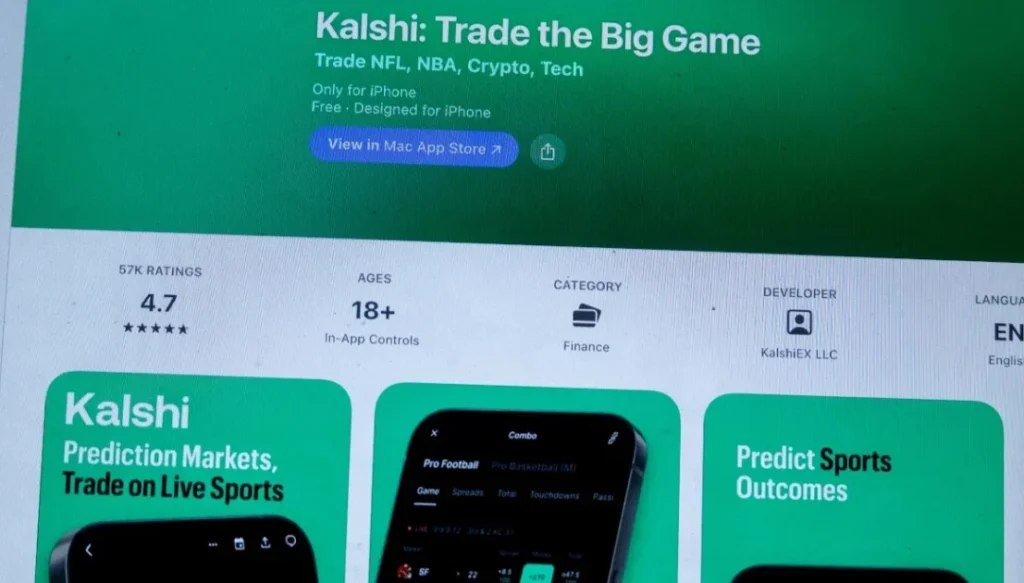
At the centre of the dispute are Kalshi and Polymarket, two of the best-known prediction market platforms. Kalshi operates in the US under the oversight of the Commodity Futures Trading Commission (CFTC), while Polymarket does not have the same status for US users. But Kalshi’s legal status does not change the substance of the criticism: opponents argue that sports event contracts on both platforms are effectively equivalent to sports betting.
The main complaint is that, according to critics, the platforms allow sports betting to be offered across the country under federal financial regulation rather than through licences issued by individual states.
States fear a loss of control and tax revenue, sportsbook operators point to unequal competition, and tribal organisations see a threat to their existing compacts with state authorities.
Notably, in 2026, state-licensed commercial operators and tribal gaming organisations have increasingly been speaking out against prediction markets with one voice. These are groups that usually defend different interests within the gambling industry.
On this issue, however, their positions have aligned: prediction markets draw customers away from the legal sportsbook market, and take money with them.
For tribal gaming organisations, this is particularly sensitive. Revenue from casinos and partnerships with sportsbook operators often funds healthcare, education, infrastructure and other programmes within their communities.
That is why sports event contracts are not only a competition issue for them, but a threat to the very model of tribal gaming.
A separate set of concerns relates to sport itself. Leagues and players’ unions are worried about contracts on specific in-game events, such as player injuries, refereeing decisions, ejections, penalties or other incidents. In their view, such markets increase the risk of manipulation: a match participant could place a bet on a specific outcome, deliberately influence a particular incident, or help other people win a bet.
In 2026, the dispute stopped being a technical question about the status of such contracts. It became a conflict over who should regulate sports betting in the US: states and tribal jurisdictions, or a federal financial regulator.
At the same time, the sports sector is not entirely united: some leagues and players’ unions are not calling for a complete ban on prediction markets, but for strict restrictions on the most sensitive contracts.


Best Bonuses

Binance Referral ID — Inviter Code
Active Until: 22.12.2029
Along with up to $100 in welcome rewards, you receive a 5% fee rebate on Spot trading and a 5% fee rebate on Futures trading.

Win Win Promo Code – Valid Bonus Code Today
Active Until: 22.12.2028
Get 100% first-deposit bonus for sports betting, followed by extra bonuses on the 2nd, 3rd and 4th deposits after the welcome bonus has been wagered.

BitStarz Bonus Code – Welcome Bonus
Active Until: 22.12.2026
BitStarz offers a welcome bonus: up to $500 or 5 BTC, plus extra rewards after your first deposit.

Best Linebet Promo Code for New Users: 2 Welcome Bonuses
Active Until: 22.12.2026
Up to 1766 USD + 150 free spins for casino or a 100% sports bonus up to 117.89 USD on the first deposit.

Working 888starz.bet Promo Code – Sports & Casino Bonus
Active Until: 22.12.2027
Promo code unlocks the full welcome package, including up to €1500 + 150 Free Spins in the casino and up to €400 in sport.

Working Pinco Promo Code 2026 – Elite Welcome Rewards
Active Until: 22.12.2026
New players at Pinco can claim a 160% casino bonus on their first deposit by registering with the promo code GPARK.