Archaeologists Discover 450-year-old Gambling Die in Belarus

Kate Marshal
21 August 2026
Comment 0

Archaeologists have discovered a unique 450-year-old gaming die in Belarus during excavations in the Vitebsk region. The find was made while studying the remains of a noble estate, SB.by reports.
The bone object, which was used for gambling games, was found in a layer of a burned building dating back to the second half of the 16th century.
According to researchers, discoveries of this kind are extremely rare in Belarusian archaeology.
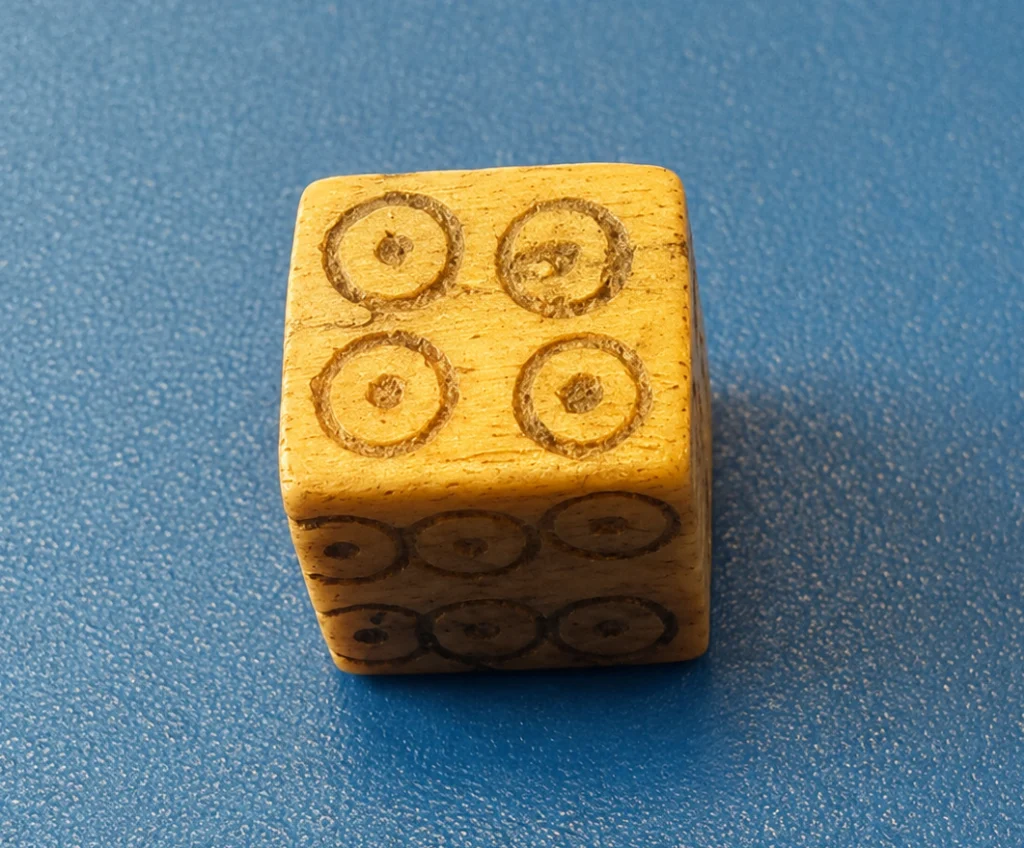
Dice games were widespread across Europe in the 16th century and were also known in the territories of the Grand Duchy of Lithuania and the Polish–Lithuanian Commonwealth.
Players typically rolled one or more dice, with the outcome determined by the number of points shown.
These games were considered forms of gambling because the result depended on chance, and players could wager money or other valuables.
The discovered die provides new insights into the daily life and pastimes of the estate’s inhabitants. The find suggests that they shared interests that were common during that period.
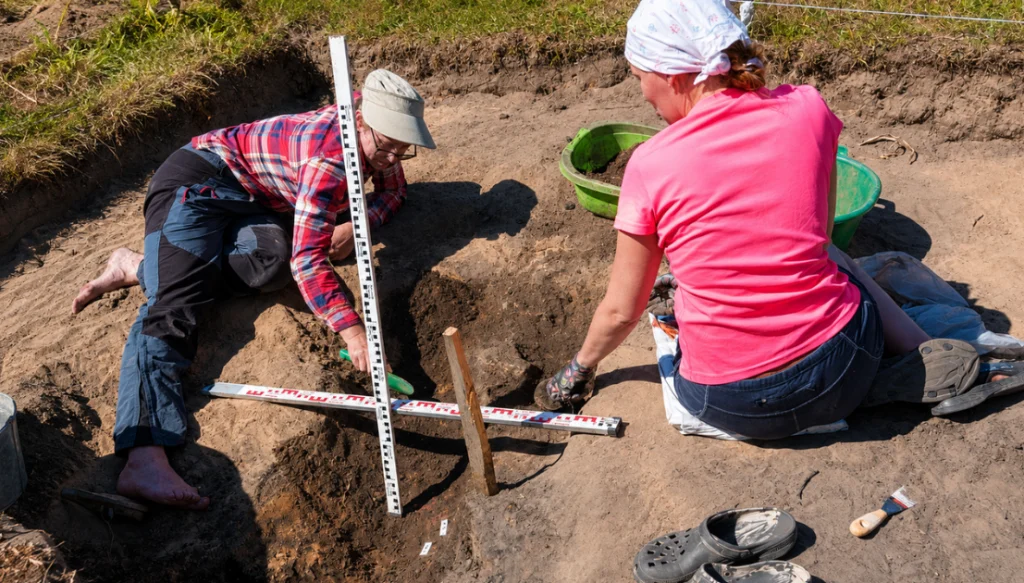
According to a preliminary theory proposed by researchers, the estate was burned down by the troops of Ivan the Terrible during the Livonian (Inflanty) War, which lasted from 1563 to 1579. In addition to the gaming die, archaeologists discovered fragments of imported pottery. These finds point to trade connections between the estate’s owners and the cities of Polotsk and Riga.
Archaeologists plan to continue their research to clarify the circumstances surrounding the destruction of the estate and uncover more details about the lives of its inhabitants.
* Szlachta — the privileged noble class in the Grand Duchy of Lithuania and the Polish–Lithuanian Commonwealth.
** In the 16th century, the territories of modern-day Belarus were part of the Grand Duchy of Lithuania and, from 1569, the Polish–Lithuanian Commonwealth.


Best Bonuses

Win Win Promo Code – Valid Bonus Code Today
Active Until: 22.12.2028
Get 100% first-deposit bonus for sports betting, followed by extra bonuses on the 2nd, 3rd and 4th deposits after the welcome bonus has been wagered.

BitStarz Bonus Code – Welcome Bonus
Active Until: 22.12.2026
BitStarz offers a welcome bonus: up to $500 or 5 BTC, plus extra rewards after your first deposit.

Best Linebet Promo Code for New Users: 2 Welcome Bonuses
Active Until: 22.12.2026
Up to 1766 USD + 150 free spins for casino or a 100% sports bonus up to 117.89 USD on the first deposit.

Working 888starz.bet Promo Code – Sports & Casino Bonus
Active Until: 22.12.2027
Promo code unlocks the full welcome package, including up to €1500 + 150 Free Spins in the casino and up to €400 in sport.

Working Pinco Promo Code 2026 – Elite Welcome Rewards
Active Until: 22.12.2026
New players at Pinco can claim a 160% casino bonus on their first deposit by registering with the promo code GPARK.

Official Fonbet Promo Code 2026 for €3,000
Active Until: 22.12.2026
Choose a multi-stage casino bonus and get up to €3,000 and 225 free spins across your first five deposits.